


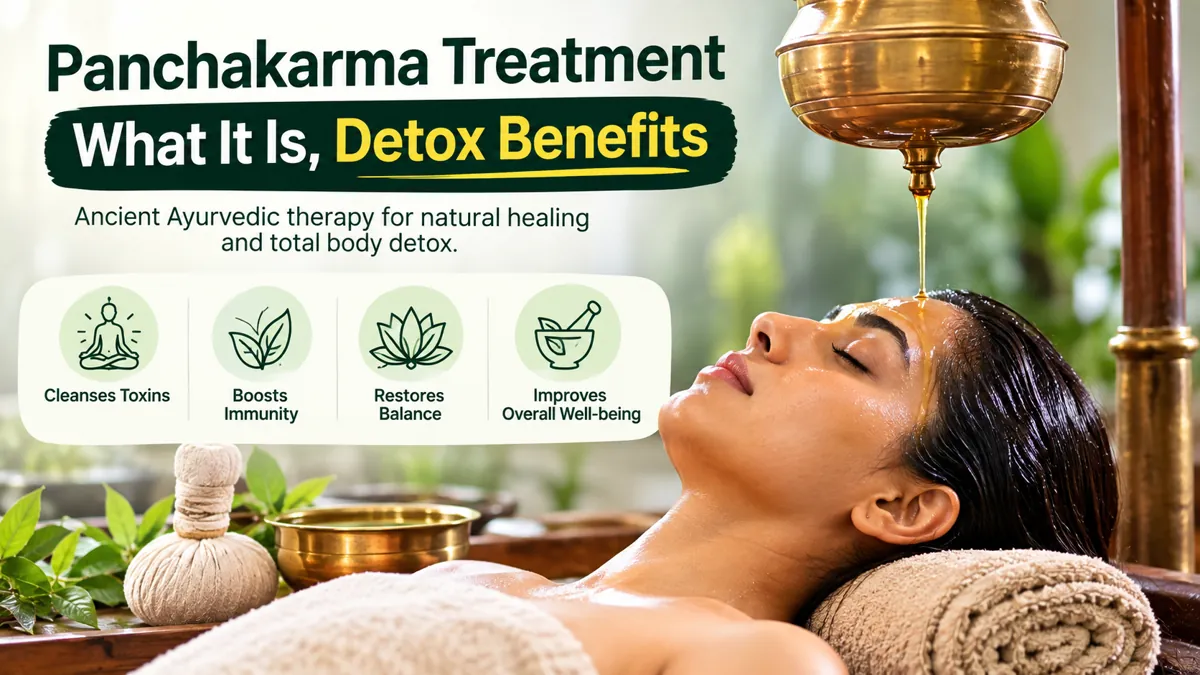
Panchakarma is one of the most well-known detoxification therapies in Ayurveda, a traditional Indian system of medicine that has been practiced for thousands of years. The word “Panchakarma” literally means “five actions” or “five procedures.” These therapies are designed to help eliminate toxins from the body, restore balance, and improve overall well-being.
Many people seek Panchakarma treatment for stress relief, digestive issues, joint discomfort, skin concerns, and general rejuvenation. While many individuals report positive experiences, scientific evidence supporting all claimed benefits remains limited, and Panchakarma should not replace evidence-based medical treatment for serious illnesses.
This guide explains everything you need to know about Panchakarma treatment, including its benefits, procedures, risks, and who may benefit from it.
What Is Panchakarma?
Panchakarma is a personalized Ayurvedic cleansing and rejuvenation program. According to Ayurveda, poor digestion, unhealthy lifestyle habits, stress, and environmental factors can lead to the accumulation of Ama (metabolic waste or toxins), which may disturb the body’s natural balance.
Panchakarma aims to:
- Remove accumulated toxins
- Improve digestion
- Restore balance among the three doshas (Vata, Pitta, and Kapha)
- Promote mental clarity
- Enhance overall health
Unlike a simple detox diet, Panchakarma involves several therapies that should ideally be supervised by a qualified Ayurvedic practitioner.
The Five Main Panchakarma Therapies
1. Vamana (Therapeutic Emesis)
Vamana involves medically supervised therapeutic vomiting to help remove excess Kapha dosha.
It may traditionally be recommended for:
- Chronic congestion
- Excess mucus
- Certain respiratory conditions
- Recurrent allergies (according to Ayurvedic principles)
This therapy is only performed under professional supervision.
2. Virechana (Therapeutic Purgation)
Virechana uses herbal laxatives to cleanse the intestines and eliminate excess Pitta dosha.
It may traditionally be used for:
- Digestive complaints
- Certain skin conditions
- Liver support (traditional use)
- Excess body heat
3. Basti (Medicated Enema)
Basti is considered one of the most important Panchakarma therapies.
Medicated herbal oils or decoctions are introduced into the colon to help balance Vata dosha.
Traditional Ayurvedic uses include:
- Joint discomfort
- Constipation
- Dryness
- Neurological conditions (within Ayurvedic practice)
4. Nasya (Nasal Therapy)
Nasya involves placing medicated herbal oils into the nostrils.
According to Ayurveda, it may help:
- Sinus congestion
- Headaches
- Allergic symptoms
- Mental clarity
- Stress reduction
5. Raktamokshana (Bloodletting)
Raktamokshana is an ancient Ayurvedic therapy intended to remove impure blood in selected cases.
Today, this therapy is much less commonly practiced and is generally performed only in specialized settings when appropriate.
Preparatory Procedures Before Panchakarma
Before the main therapies begin, the body is prepared through two important steps.
Snehana (Oleation)
This involves internal or external application of medicated oils.
Benefits may include:
- Softening body tissues
- Improving flexibility
- Preparing toxins for elimination
- Nourishing the skin
Swedana (Herbal Steam Therapy)
Steam therapy is used after oil massage.
It may help:
- Open pores
- Promote sweating
- Relax muscles
- Improve circulation
- Prepare the body for detoxification
Panchakarma Detox Benefits
Many people undergo Panchakarma to improve their overall health and well-being. While research is still evolving, some reported and traditionally recognized benefits include:
1. Improved Digestion
Panchakarma may help:
- Reduce bloating
- Improve appetite
- Support bowel regularity
- Enhance digestive function
2. Stress Relief
Therapies such as Abhyanga (oil massage) and Shirodhara are often associated with:
- Relaxation
- Better sleep
- Reduced mental fatigue
- Lower stress levels
3. Better Energy Levels
Many individuals report feeling:
- More energetic
- Less fatigued
- Physically refreshed
- Mentally focused
4. Joint and Muscle Comfort
Massage and herbal therapies may help reduce stiffness and improve mobility in some people.
5. Healthier Skin
Improved digestion and lifestyle changes during Panchakarma may contribute to:
- Clearer skin
- Better hydration
- Reduced dullness
- Improved skin texture
6. Improved Sleep
Stress reduction and relaxation therapies may promote deeper, more restful sleep.
7. Weight Management Support
Although Panchakarma is not a weight-loss program, some people experience modest weight reduction due to:
- Dietary changes
- Improved digestion
- Healthier habits
8. Mental Clarity
Many participants report improvements in:
- Concentration
- Focus
- Emotional balance
- Overall mood
Conditions for Which Panchakarma Is Traditionally Used
In Ayurvedic practice, Panchakarma may be recommended for people with:
- Digestive disorders
- Constipation
- Stress
- Anxiety
- Chronic fatigue
- Joint discomfort
- Certain skin disorders
- Seasonal allergies
- Sinus problems
- Lifestyle-related imbalances
However, its effectiveness for these conditions varies, and more high-quality scientific studies are needed.
Panchakarma Diet
Diet plays a major role before, during, and after treatment.
Foods commonly recommended include:
- Warm cooked vegetables
- Khichdi (rice and lentils)
- Herbal teas
- Fresh fruits
- Light soups
- Plenty of warm water
Foods usually avoided include:
- Processed foods
- Fried foods
- Alcohol
- Caffeine
- Refined sugar
- Heavy dairy products
- Excessively spicy foods
How Long Does Panchakarma Treatment Take?
Treatment duration varies depending on individual needs.
Typical programs include:
- 3–5 days: Basic detox
- 7–14 days: Moderate cleansing
- 21–28 days: Comprehensive Panchakarma program
Your Ayurvedic practitioner will recommend the appropriate duration based on your health goals.
Possible Side Effects
Some people may experience temporary effects during treatment, such as:
- Fatigue
- Headache
- Mild digestive changes
- Loose stools
- Temporary weakness
- Increased urination
- Emotional fluctuations
If symptoms are severe or persistent, consult your healthcare provider promptly.
Who Should Avoid Panchakarma?
Panchakarma may not be suitable for everyone. It is generally not recommended without medical advice for:
- Pregnant women
- Breastfeeding mothers
- Young children
- Frail older adults
- People with severe heart disease
- Individuals with active infections
- People recovering from major surgery
- Those with uncontrolled chronic illnesses
Always consult a qualified healthcare professional before beginning Panchakarma, especially if you have underlying medical conditions or take prescription medications.
Scientific Evidence
Some studies suggest that components of Panchakarma—such as massage, relaxation techniques, dietary modifications, and certain herbal therapies—may support stress reduction and overall well-being. However, evidence for many specific detoxification claims remains limited, and larger, well-designed clinical trials are needed.
Panchakarma should be viewed as a complementary wellness approach rather than a replacement for conventional medical care.
Tips Before Starting Panchakarma
To prepare for treatment:
- Choose a qualified and experienced Ayurvedic practitioner.
- Share your complete medical history and current medications.
- Follow dietary instructions carefully.
- Stay hydrated.
- Avoid alcohol and smoking.
- Allow time for rest during the program.
- Continue any prescribed medications unless advised otherwise by your healthcare provider.
Frequently Asked Questions (FAQs)
Does Panchakarma really detox the body?
Ayurveda describes Panchakarma as a detoxification process that removes accumulated toxins and restores balance. While many people report feeling refreshed afterward, scientific evidence for broad detox claims is limited.
Is Panchakarma painful?
Most therapies are gentle and relaxing. Some cleansing procedures may cause temporary discomfort, but they are typically performed under professional supervision.
How often should Panchakarma be done?
Some Ayurvedic practitioners recommend it once or twice a year, while others tailor the frequency to an individual’s health needs.
Can Panchakarma help with weight loss?
It is not primarily a weight-loss treatment. However, healthy dietary changes and lifestyle improvements during the program may support modest weight management.
Can I do Panchakarma at home?
Certain supportive practices, such as self-oil massage, may be done at home. However, the core Panchakarma procedures should be performed under the guidance of a qualified Ayurvedic practitioner.
Final Thoughts
Panchakarma is a cornerstone of Ayurvedic medicine that combines cleansing therapies, dietary changes, herbal preparations, and lifestyle practices to promote overall wellness. Many people seek Panchakarma for relaxation, improved digestion, and rejuvenation, though scientific evidence supporting all detox claims is still developing.
If you are considering Panchakarma, consult both a qualified Ayurvedic practitioner and your healthcare provider to determine whether it is appropriate for your health needs, particularly if you have a chronic medical condition or are taking medications.
Disclaimer: The information provided is for general educational purposes only. Always seek advice from a qualified healthcare professional before beginning Panchakarma or any other complementary health treatment.