
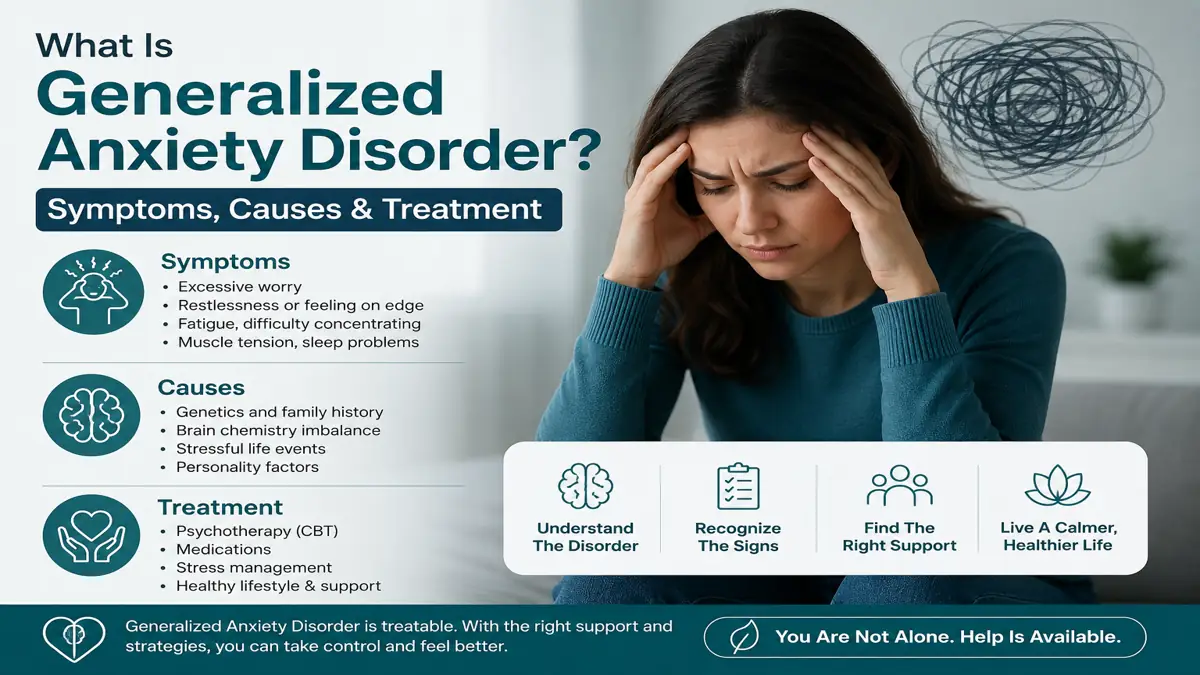
Feeling worried before a job interview, an exam, or an important life event is completely normal. However, when worry becomes excessive, persistent, and difficult to control—even without a clear reason—it may be a sign of Generalized Anxiety Disorder (GAD).
Generalized Anxiety Disorder is one of the most common mental health conditions worldwide. It can affect people of all ages and significantly interfere with daily activities, relationships, work, and overall well-being. Fortunately, GAD is highly treatable with the right combination of therapy, lifestyle changes, and, in some cases, medication.
This guide explains everything you need to know about Generalized Anxiety Disorder, including its symptoms, causes, diagnosis, treatment options, and practical ways to manage it.
What Is Generalized Anxiety Disorder?
Generalized Anxiety Disorder (GAD) is a chronic mental health condition characterized by persistent and excessive worry about everyday situations. People with GAD often worry about work, finances, health, family, relationships, or routine responsibilities—even when there is little or no reason for concern.
Unlike temporary anxiety caused by stressful situations, GAD involves anxiety that:
- Lasts for at least six months
- Is difficult to control
- Occurs on most days
- Interferes with daily life
Many people with GAD describe feeling as though their mind is constantly expecting the worst.
Common Symptoms of Generalized Anxiety Disorder
Symptoms can vary from person to person, but they generally include emotional, physical, and behavioral signs.
Emotional Symptoms
- Excessive and persistent worry
- Feeling nervous or on edge
- Difficulty controlling anxious thoughts
- Fear that something bad will happen
- Trouble concentrating
- Feeling overwhelmed
Physical Symptoms
Anxiety doesn’t only affect the mind—it also impacts the body.
Common physical symptoms include:
- Muscle tension
- Fatigue
- Restlessness
- Rapid heartbeat
- Sweating
- Trembling
- Upset stomach
- Frequent headaches
- Difficulty breathing during anxiety episodes
- Sleep problems or insomnia
Causes of Generalized Anxiety Disorder
There is no single cause of GAD. Instead, it usually develops due to a combination of biological, psychological, and environmental factors.
1. Genetics
A family history of anxiety disorders may increase the risk of developing GAD.
2. Brain Chemistry
Imbalances in neurotransmitters such as serotonin, dopamine, and gamma-aminobutyric acid (GABA) may contribute to anxiety symptoms.
3. Stressful Life Events
Major life challenges can trigger or worsen anxiety, including:
- Job loss
- Financial difficulties
- Divorce
- Chronic illness
- Death of a loved one
- Trauma
4. Personality Traits
People who are naturally perfectionistic, overly cautious, or highly sensitive to uncertainty may have a greater risk of developing GAD.
5. Medical Conditions
Certain health conditions may contribute to anxiety, including:
- Thyroid disorders
- Chronic pain
- Heart disease
- Respiratory disorders
- Diabetes
Risk Factors
Several factors increase the likelihood of developing Generalized Anxiety Disorder.
These include:
- Female gender (women are diagnosed more often than men)
- Childhood trauma
- Family history of anxiety
- Chronic stress
- Substance misuse
- Chronic medical conditions
How Is Generalized Anxiety Disorder Diagnosed?
There is no laboratory test that confirms GAD.
Healthcare professionals diagnose the condition through:
- Medical history
- Mental health evaluation
- Physical examination
- Discussion of symptoms and daily functioning
According to commonly used diagnostic guidelines, symptoms should be present for at least six months and significantly interfere with daily life.
Doctors may also perform blood tests or other investigations to rule out medical conditions that can mimic anxiety.
Treatment Options for Generalized Anxiety Disorder
Most people improve significantly with appropriate treatment.
1. Cognitive Behavioral Therapy (CBT)
CBT is considered one of the most effective treatments for GAD.
It helps individuals:
- Identify negative thinking patterns
- Challenge irrational fears
- Develop healthier coping strategies
- Reduce avoidance behaviors
Many people notice improvement after several weeks of consistent therapy.
2. Medications
Healthcare providers may prescribe medication when anxiety is severe or persistent.
Common options include:
Selective Serotonin Reuptake Inhibitors (SSRIs)
Examples include:
- Sertraline
- Escitalopram
- Paroxetine
Serotonin-Norepinephrine Reuptake Inhibitors (SNRIs)
Examples include:
- Venlafaxine
- Duloxetine
Buspirone
Buspirone may be recommended for long-term anxiety management.
Benzodiazepines
These medications may provide short-term relief but are generally prescribed cautiously because they can lead to dependence if used for extended periods.
Always take medications exactly as prescribed by a qualified healthcare professional.
Lifestyle Changes That Can Help Manage Anxiety
Healthy habits can reduce anxiety symptoms and improve overall mental health.
Exercise Regularly
Physical activity releases endorphins that naturally improve mood and reduce stress.
Aim for at least 150 minutes of moderate exercise each week.
Practice Relaxation Techniques
Helpful methods include:
- Deep breathing exercises
- Meditation
- Progressive muscle relaxation
- Yoga
- Mindfulness practices
Improve Sleep
Good sleep supports emotional regulation.
Tips include:
- Go to bed at the same time every night.
- Avoid screens before bedtime.
- Limit caffeine in the evening.
- Keep your bedroom cool and quiet.
Eat a Balanced Diet
A nutritious diet supports brain health.
Include:
- Whole grains
- Fruits
- Vegetables
- Lean protein
- Nuts
- Omega-3-rich foods
Limit excessive caffeine, alcohol, and sugary drinks, as they may worsen anxiety in some people.
Stay Connected
Talking with trusted friends or family members can reduce feelings of isolation and provide emotional support.
Support groups may also be beneficial.
When Should You See a Doctor?
Seek medical advice if:
- Worry interferes with work or school
- Anxiety affects relationships
- You struggle to complete daily activities
- Symptoms persist for several months
- Sleep problems become severe
- Anxiety causes panic attacks
- You use alcohol or drugs to cope
If you experience thoughts of self-harm or suicide, seek immediate help from emergency services or a local mental health crisis service.
Can Generalized Anxiety Disorder Be Prevented?
While GAD cannot always be prevented, healthy habits may reduce the risk or lessen symptom severity.
Helpful strategies include:
- Managing stress early
- Exercising regularly
- Getting adequate sleep
- Avoiding excessive alcohol and recreational drugs
- Practicing mindfulness
- Seeking professional support when symptoms first appear
Living With Generalized Anxiety Disorder
Living with GAD can be challenging, but many people successfully manage the condition with ongoing treatment and self-care. Recovery often involves learning practical coping skills, maintaining healthy routines, and staying connected with healthcare professionals and supportive loved ones. Progress may take time, but consistent care can lead to significant improvements in quality of life.
Frequently Asked Questions (FAQs)
Is Generalized Anxiety Disorder permanent?
Not necessarily. Many people experience significant improvement with therapy, medication, lifestyle changes, or a combination of these treatments. Some may have recurring symptoms that require ongoing management.
What is the difference between stress and Generalized Anxiety Disorder?
Stress is typically a response to a specific challenge and often resolves when the situation improves. GAD involves excessive, persistent worry that continues even when there is no clear cause.
Can children develop Generalized Anxiety Disorder?
Yes. Children and teenagers can develop GAD, often worrying excessively about school performance, friendships, family issues, or future events.
Is medication always necessary?
No. Some people manage GAD successfully with psychotherapy and lifestyle changes alone, while others benefit from medication. The most appropriate treatment depends on individual needs and should be determined by a healthcare professional.
Does exercise really help anxiety?
Yes. Regular physical activity has been shown to reduce stress, improve mood, and support overall mental well-being, making it a valuable part of anxiety management.
Conclusion
Generalized Anxiety Disorder is more than occasional worry—it is a long-term condition that can affect both mental and physical health. Recognizing the symptoms early and seeking professional care can make a meaningful difference. Effective treatments such as cognitive behavioral therapy, medication when appropriate, and healthy lifestyle habits can help people regain control of their anxiety and improve their quality of life. If persistent worry is disrupting your daily routine, consulting a healthcare provider is an important first step toward feeling better.