


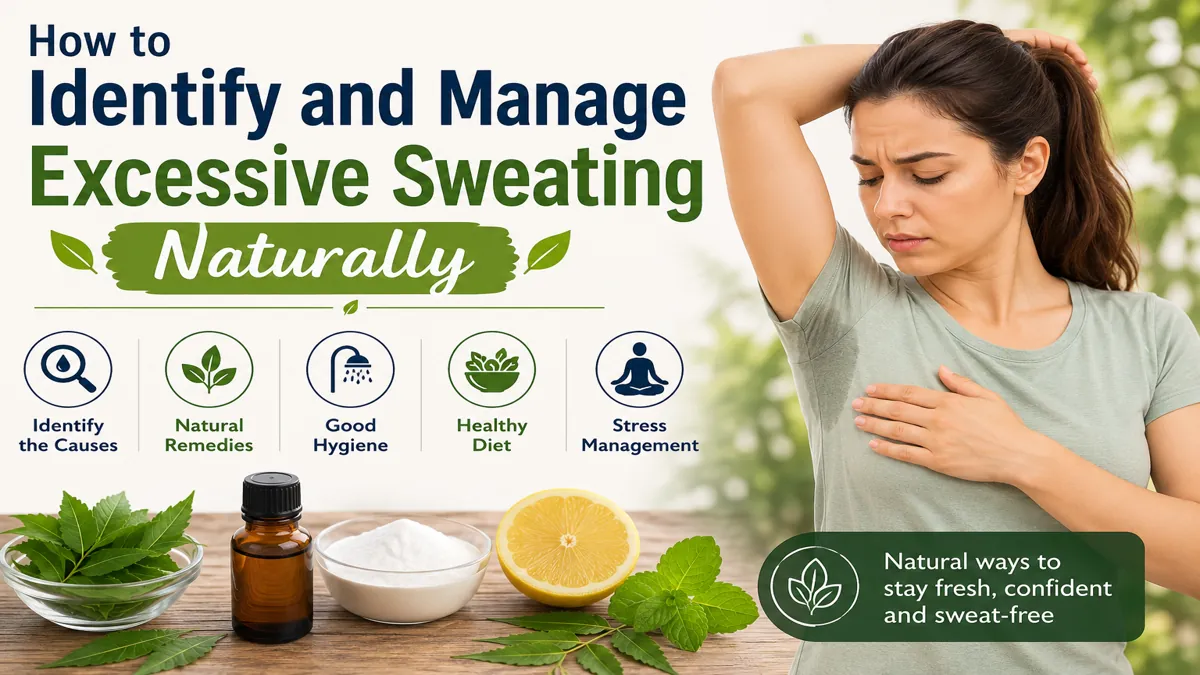
Sweating is a natural process that helps regulate your body temperature. Whether you’re exercising, spending time in hot weather, or feeling nervous, sweating is completely normal. However, if you sweat excessively without an obvious reason, it may indicate a condition known as hyperhidrosis.
Excessive sweating can affect daily life, making simple activities like shaking hands, writing, or wearing certain clothes uncomfortable. It may also impact self-confidence and emotional well-being.
In this guide, you’ll learn how to identify excessive sweating, understand its causes, and discover effective ways to manage the condition.
What Is Excessive Sweating (Hyperhidrosis)?
Hyperhidrosis is a medical condition where the body produces more sweat than necessary to regulate temperature. The excessive sweating may occur even when you’re resting or in a cool environment.
It commonly affects the:
- Hands
- Feet
- Underarms
- Face
- Scalp
- Groin area
For some people, sweating occurs in one specific area, while others experience sweating over much of their body.
Types of Excessive Sweating
1. Primary Focal Hyperhidrosis
This is the most common type.
Characteristics include:
- Usually begins during childhood or adolescence
- Often runs in families
- Affects both sides of the body equally
- Commonly affects hands, feet, underarms, and face
- Usually stops during sleep
The exact cause isn’t fully understood, but it’s believed to involve overactive nerves that stimulate sweat glands.
2. Secondary Generalized Hyperhidrosis
This type is caused by an underlying medical condition or certain medications.
Possible causes include:
- Diabetes
- Hyperthyroidism
- Obesity
- Menopause
- Parkinson’s disease
- Infections
- Anxiety disorders
- Certain cancers (rare)
- Pregnancy
- Heart disease
Some medications that may increase sweating include antidepressants, pain relievers, diabetes medications, and drugs used for hormone therapy.
Unlike primary hyperhidrosis, secondary hyperhidrosis often affects the entire body and may continue during sleep.
Signs and Symptoms
You may have excessive sweating if you experience:
- Sweating that soaks through clothing
- Sweaty palms that make handshakes uncomfortable
- Frequently damp socks or shoes
- Sweat dripping from your face without exercise
- Difficulty gripping objects due to sweaty hands
- Skin irritation from constant moisture
- Recurrent fungal or bacterial skin infections
- Sweating several times each week without an obvious trigger
How to Know If Your Sweating Is Excessive
Ask yourself these questions:
- Do I sweat even when it’s cool?
- Does sweating interfere with work or school?
- Do I avoid social situations because of sweating?
- Do I need to change clothes multiple times a day?
- Does sweating occur on both sides of my body?
- Has the problem lasted longer than six months?
If you answered “yes” to several of these questions, it’s worth discussing your symptoms with a healthcare provider.
Common Causes of Excessive Sweating
Several factors can contribute to excessive sweating.
Overactive Sweat Glands
In primary hyperhidrosis, nerves send stronger-than-normal signals to sweat glands, causing unnecessary sweating.
Emotional Stress
Anxiety, nervousness, embarrassment, or excitement can trigger excessive sweating in some individuals.
Medical Conditions
Health conditions that may increase sweating include:
- Diabetes
- Hyperthyroidism
- Low blood sugar
- Fever
- Infections
- Heart disease
- Neurological disorders
Hormonal Changes
Hormonal fluctuations during pregnancy or menopause commonly increase sweating.
Certain Medications
Some prescription medications list excessive sweating as a side effect.
When Should You See a Doctor?
Seek medical attention if:
- Sweating begins suddenly
- You sweat heavily during sleep
- Sweating affects your daily activities
- You develop chest pain, dizziness, or shortness of breath
- You lose weight unexpectedly
- Sweating is accompanied by fever or severe fatigue
Sudden, unexplained sweating may indicate an underlying medical condition requiring prompt evaluation.
How Doctors Diagnose Hyperhidrosis
A healthcare provider may:
- Review your medical history
- Ask about symptoms and family history
- Perform a physical examination
- Order blood tests
- Check thyroid function
- Test blood sugar levels
- Conduct sweat tests when necessary
The goal is to determine whether sweating is primary or secondary hyperhidrosis.
Treatment Options for Excessive Sweating
Treatment depends on the severity and underlying cause.
1. Prescription Antiperspirants
Strong antiperspirants containing aluminum chloride are often the first treatment.
They work by temporarily blocking sweat glands.
2. Oral Medications
Doctors may prescribe medications that reduce nerve signals responsible for sweating.
These medications can cause side effects such as dry mouth, blurred vision, or constipation.
3. Botox Injections
Botulinum toxin (Botox) temporarily blocks the nerves that activate sweat glands.
Benefits include:
- Effective for underarm sweating
- Results may last 4–6 months
- FDA-approved for certain cases
4. Iontophoresis
This treatment uses a mild electrical current through water to reduce sweating, especially in the hands and feet.
Several sessions are usually needed before seeing improvement.
5. Microwave Therapy
Microwave energy permanently destroys underarm sweat glands.
Many people notice significant improvement after one or two treatments.
6. Surgery
For severe cases that don’t respond to other treatments, surgery may be considered.
Options include:
- Sweat gland removal
- Endoscopic thoracic sympathectomy (ETS)
Surgery is usually reserved for carefully selected patients due to potential risks.
Natural Ways to Manage Excessive Sweating
Lifestyle changes can make a noticeable difference.
Wear Breathable Clothing
Choose lightweight fabrics like:
- Cotton
- Linen
- Moisture-wicking athletic materials
Avoid heavy synthetic fabrics that trap heat.
Use Clinical-Strength Antiperspirants
Apply antiperspirant at night to dry skin for maximum effectiveness.
Stay Cool
Reduce body temperature by:
- Using fans
- Staying in air-conditioned spaces
- Drinking cold water
- Avoiding excessive heat
Watch Your Diet
Certain foods can trigger sweating.
Limit:
- Spicy foods
- Caffeine
- Alcohol
- Very hot beverages
Instead, choose hydrating foods like fruits, vegetables, and water-rich meals.
Practice Stress Management
Because emotional stress can increase sweating, consider:
- Deep breathing exercises
- Meditation
- Yoga
- Regular exercise
- Good sleep habits
Maintain Good Hygiene
Regular bathing helps reduce odor and lowers the risk of skin infections.
Dry affected areas thoroughly after washing.
Tips for Everyday Confidence
Living with excessive sweating can be challenging, but small habits can help.
- Carry an extra shirt if needed.
- Keep absorbent tissues or towels nearby.
- Wear sweat-resistant clothing.
- Use shoe inserts for sweaty feet.
- Choose dark-colored clothing if underarm sweating is a concern.
- Stay hydrated throughout the day.
Possible Complications
Without proper management, excessive sweating may lead to:
- Skin infections
- Athlete’s foot
- Nail infections
- Emotional stress
- Social anxiety
- Reduced quality of life
Early treatment can help prevent these issues.
Can Excessive Sweating Be Prevented?
Primary hyperhidrosis usually cannot be prevented because it has a genetic component.
However, you can reduce symptoms by:
- Managing stress
- Maintaining a healthy weight
- Treating underlying medical conditions
- Avoiding known sweating triggers
- Following your healthcare provider’s treatment plan
Frequently Asked Questions
Is excessive sweating dangerous?
Usually not. However, sudden excessive sweating accompanied by chest pain, dizziness, or shortness of breath requires immediate medical attention.
Can anxiety cause excessive sweating?
Yes. Emotional stress and anxiety are common triggers and may worsen existing hyperhidrosis.
Does drinking more water reduce sweating?
Staying hydrated helps regulate body temperature but doesn’t cure hyperhidrosis. It may help your body cool itself more efficiently.
Can hyperhidrosis go away on its own?
Some people experience improvement with age, but many require lifestyle changes or medical treatment to control symptoms.
Which doctor treats excessive sweating?
Start with your primary care physician. You may be referred to a dermatologist, endocrinologist, or neurologist depending on the cause.
Conclusion
Excessive sweating, or hyperhidrosis, is more than just a nuisance—it can significantly affect your comfort, confidence, and quality of life. Recognizing the symptoms early and identifying whether the sweating is primary or caused by another medical condition is the first step toward effective management.
Fortunately, a wide range of treatments is available, from clinical-strength antiperspirants and prescription medications to Botox injections and advanced procedures. Combining these options with healthy lifestyle habits—such as wearing breathable clothing, managing stress, staying cool, and maintaining good hygiene—can greatly reduce symptoms.
If excessive sweating interferes with your daily routine or begins suddenly without an obvious cause, consult a healthcare professional. With the right diagnosis and treatment plan, most people can successfully manage hyperhidrosis and regain confidence in their everyday lives.