
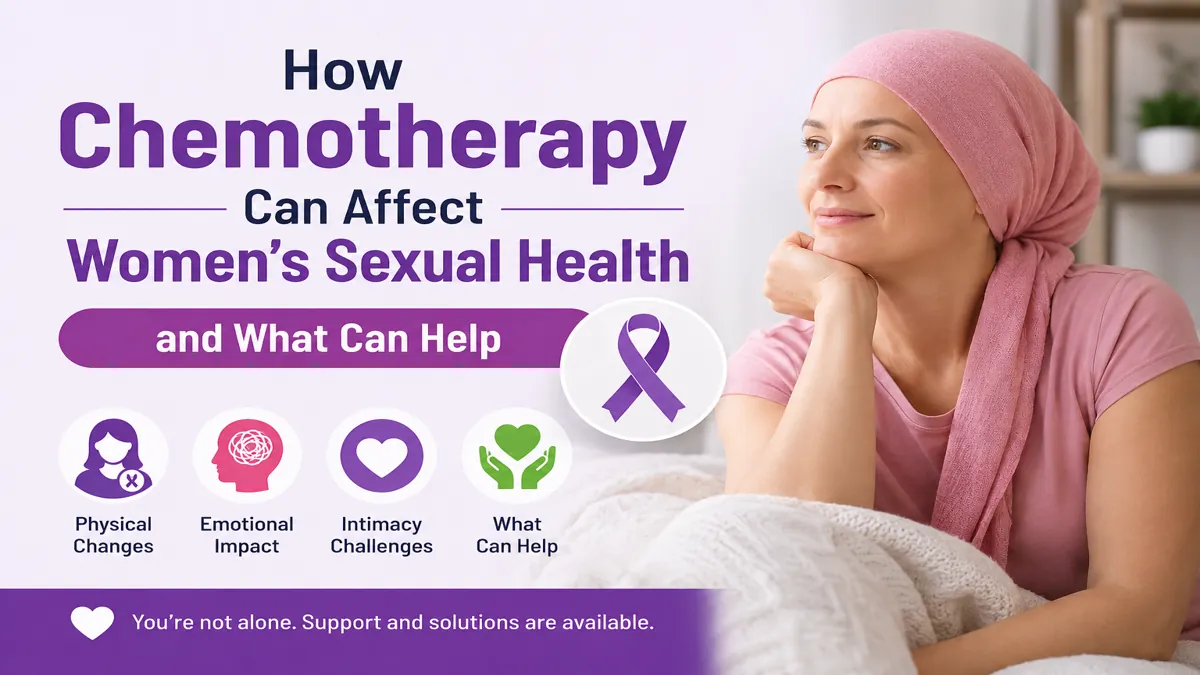
Cancer treatment can be physically and emotionally demanding. While many people focus on the visible side effects of chemotherapy, such as hair loss, fatigue, and nausea, one topic often goes unspoken: sexual health.
Chemotherapy can affect a woman’s sexual well-being in many ways, from reduced desire and vaginal dryness to emotional stress and fertility concerns. These changes can influence intimacy, relationships, and overall quality of life.
The good news is that these challenges are common, and there are effective ways to manage them. Understanding why these changes happen is the first step toward finding the right support.
In this article, you’ll learn how chemotherapy affects women’s sexual health, why these changes occur, and practical strategies that may help restore comfort, confidence, and intimacy.
What Is Chemotherapy?
Chemotherapy uses powerful medications to destroy cancer cells or stop them from growing. While these drugs target rapidly dividing cancer cells, they can also affect healthy cells throughout the body, including those involved in hormone production and reproductive health.
Depending on the type of chemotherapy, dosage, age, and overall health, sexual side effects may be temporary or long-lasting.
How Chemotherapy Can Affect Women’s Sexual Health
1. Reduced Sexual Desire (Low Libido)
Many women experience a decrease in sexual interest during chemotherapy.
Several factors contribute to this, including:
- Physical exhaustion
- Pain or discomfort
- Hormonal changes
- Anxiety or depression
- Stress related to cancer diagnosis
- Changes in body image
Low libido is one of the most common sexual side effects during cancer treatment and does not necessarily mean the loss of emotional intimacy with a partner.
2. Vaginal Dryness
Chemotherapy can lower estrogen levels, especially if it affects ovarian function.
Lower estrogen often causes:
- Vaginal dryness
- Burning sensations
- Irritation
- Less natural lubrication
This can make sexual activity uncomfortable or even painful.
What Can Help
- Water-based lubricants
- Vaginal moisturizers used regularly
- Staying hydrated
- Discussing hormone-free treatment options with your healthcare provider
3. Pain During Sex (Dyspareunia)
Painful intercourse may result from:
- Vaginal dryness
- Thinning of vaginal tissues
- Reduced elasticity
- Pelvic muscle tension
Pain can create anxiety around intimacy, making sexual activity less enjoyable.
What Can Help
- Longer foreplay
- Gentle communication with your partner
- Trying comfortable sexual positions
- Pelvic floor physical therapy if recommended
- Medical evaluation if pain continues
4. Early Menopause
Some chemotherapy drugs may damage the ovaries, leading to early menopause.
Symptoms may include:
- Hot flashes
- Night sweats
- Mood changes
- Vaginal dryness
- Sleep disturbances
- Reduced sexual desire
Younger women may regain ovarian function after treatment, while others may experience permanent menopause.
5. Fertility Concerns
Chemotherapy can reduce fertility by affecting the ovaries and egg production.
Women who hope to become pregnant in the future may experience:
- Emotional distress
- Anxiety
- Feelings of grief
- Relationship concerns
Before Treatment
If possible, discuss fertility preservation options before chemotherapy begins.
Possible options include:
- Egg freezing
- Embryo freezing
- Ovarian tissue preservation in selected cases
6. Body Image Changes
Cancer treatment may change how a woman sees herself.
Physical changes may include:
- Hair loss
- Weight changes
- Surgical scars
- Skin changes
- Breast surgery
- Fatigue
These changes can reduce confidence and affect intimacy even after treatment ends.
Helpful Strategies
- Wearing clothing that boosts confidence
- Gentle exercise if approved by your doctor
- Counseling or support groups
- Open conversations with your partner
7. Fatigue
Cancer-related fatigue differs from ordinary tiredness.
Many women experience:
- Low energy
- Poor sleep
- Muscle weakness
- Reduced interest in intimacy
Planning intimate moments during times of higher energy may help.
8. Emotional and Mental Health Changes
Cancer affects emotional well-being as much as physical health.
Women may experience:
- Anxiety
- Depression
- Fear of recurrence
- Stress
- Reduced self-esteem
Mental health challenges can directly influence sexual desire and satisfaction.
Seeking support from a psychologist, counselor, or oncology social worker can be beneficial.
Can Chemotherapy Affect Relationships?
Yes.
Both partners often experience emotional changes during cancer treatment.
Common relationship challenges include:
- Fear of hurting your partner
- Reduced communication
- Different expectations about intimacy
- Emotional distance
- Caregiver stress
Honest conversations and mutual understanding often strengthen relationships during recovery.
What Can Help Improve Sexual Health During Chemotherapy?
Talk With Your Healthcare Team
Many women hesitate to discuss sexual concerns.
However, healthcare professionals regularly help patients manage:
- Vaginal dryness
- Pain during sex
- Hormonal symptoms
- Fertility concerns
- Emotional distress
Don’t hesitate to bring up these issues.
Use Lubricants and Vaginal Moisturizers
These products can significantly reduce discomfort.
Lubricants are used during sexual activity.
Moisturizers help maintain vaginal moisture over several days.
Choose fragrance-free products if you have sensitive skin.
Stay Physically Active
Light physical activity may help improve:
- Energy levels
- Mood
- Blood circulation
- Self-confidence
- Sexual well-being
Always follow your healthcare provider’s recommendations regarding exercise.
Practice Open Communication
Talk openly with your partner about:
- Physical discomfort
- Emotional needs
- Boundaries
- Expectations
Intimacy includes much more than intercourse.
Simple acts such as holding hands, cuddling, kissing, and spending quality time together remain important.
Consider Pelvic Floor Therapy
Specialized pelvic floor physical therapists can help women experiencing:
- Pain during intercourse
- Muscle tightness
- Pelvic discomfort
- Reduced sexual function
Treatment is personalized and may improve comfort over time.
Seek Emotional Support
Support may come from:
- Cancer support groups
- Licensed counselors
- Sex therapists
- Oncology psychologists
Professional guidance often helps women regain confidence and improve intimate relationships.
Can Sexual Health Improve After Chemotherapy?
For many women, yes.
Some side effects gradually improve within months after treatment ends.
Recovery depends on several factors:
- Age
- Type of chemotherapy
- Overall health
- Whether menopause occurred
- Other cancer treatments received
Some women recover completely, while others may need ongoing treatment for persistent symptoms.
When Should You See a Doctor?
Speak with your healthcare provider if you experience:
- Severe vaginal pain
- Bleeding during intercourse
- Persistent dryness
- Complete loss of sexual desire that causes distress
- Symptoms of depression or anxiety
- Concerns about fertility
- Symptoms that interfere with your quality of life
Early treatment can often improve symptoms significantly.
Tips for Partners
Partners play an important role in emotional recovery.
Helpful approaches include:
- Listening without judgment
- Being patient
- Respecting changing comfort levels
- Expressing affection in non-sexual ways
- Attending medical appointments when appropriate
- Encouraging professional support if needed
Strong communication often helps couples navigate these changes together.
Frequently Asked Questions (FAQs)
Does chemotherapy always reduce sexual desire?
No. While many women experience a temporary decrease in libido during treatment, others notice little change. Sexual desire often improves as recovery progresses.
Can chemotherapy cause permanent sexual problems?
Some side effects resolve after treatment, while others—especially those related to early menopause or ovarian damage—may last longer. Treatment and supportive care can often improve symptoms.
Is it safe to have sex during chemotherapy?
In many cases, yes, but recommendations vary depending on your blood counts, immune system, treatment plan, and overall health. Always ask your oncology team for personalized advice.
Can lubricants help with chemotherapy-related vaginal dryness?
Yes. Water-based lubricants and vaginal moisturizers are commonly recommended to reduce discomfort and improve sexual comfort.
Should I tell my doctor about sexual problems?
Absolutely. Sexual health is an important part of overall well-being, and your healthcare team can recommend treatments, referrals, or supportive therapies.
Final Thoughts
Chemotherapy can affect many aspects of a woman’s sexual health, including desire, comfort, fertility, body image, and emotional well-being. Although these changes can feel overwhelming, they are common and often manageable with the right support.
Open communication with healthcare providers and partners, along with appropriate treatments such as lubricants, pelvic floor therapy, counseling, and lifestyle adjustments, can make a meaningful difference. Every woman’s experience is unique, and recovery may take time. Prioritizing sexual health as part of overall cancer care can help improve both quality of life and emotional well-being throughout treatment and beyond.