
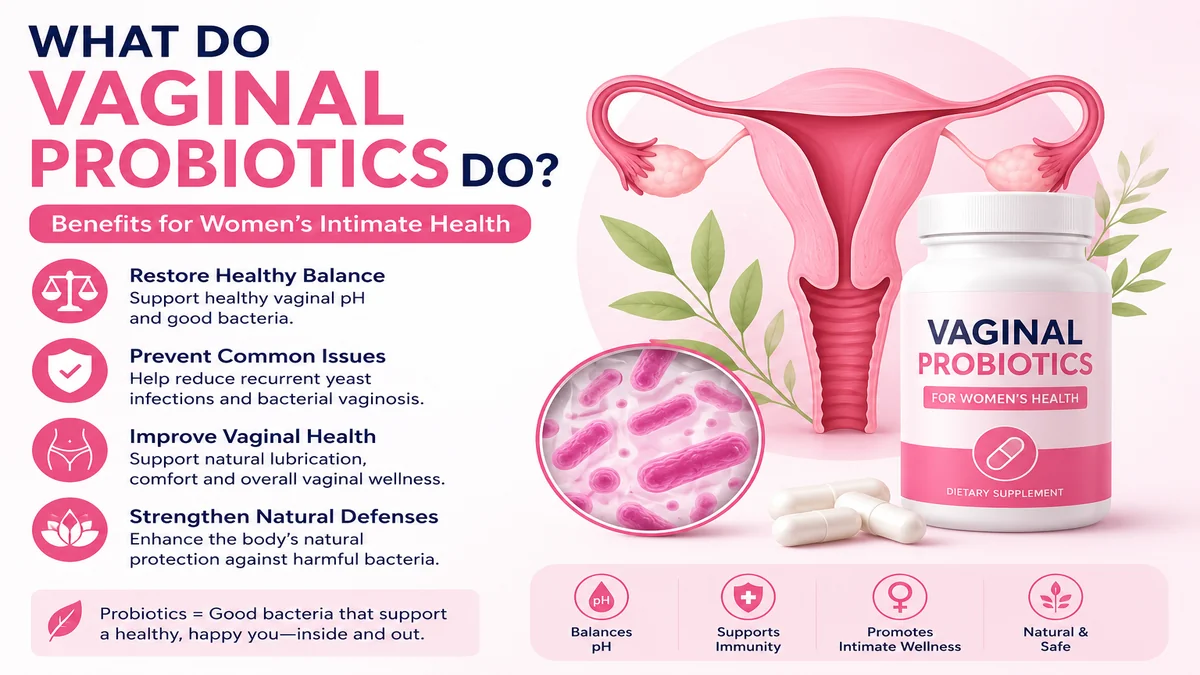
Vaginal probiotics are products designed to support the natural balance of beneficial bacteria in the vagina. They typically contain live microorganisms—most commonly Lactobacillus species—that help maintain a healthy vaginal environment. As more women seek natural ways to improve intimate health, vaginal probiotics have gained popularity as a supplement to conventional care.
But what exactly do vaginal probiotics do? Can they prevent infections, reduce unpleasant symptoms, or improve overall vaginal health? This comprehensive guide explains the science behind vaginal probiotics, their benefits, limitations, safety, and who may benefit from using them.
Understanding the Vaginal Microbiome
The vagina naturally contains billions of microorganisms, collectively known as the vaginal microbiome. In healthy women, this microbiome is usually dominated by beneficial bacteria from the Lactobacillus family.
These beneficial bacteria play several important roles:
- Produce lactic acid to maintain an acidic vaginal pH (typically 3.8–4.5)
- Prevent harmful bacteria from multiplying
- Produce antimicrobial substances
- Support the body’s natural immune defenses
- Help protect against infections
When this balance is disrupted, harmful bacteria or yeast can multiply, leading to vaginal infections.
What Are Vaginal Probiotics?
Vaginal probiotics are supplements containing live beneficial bacteria that aim to restore or maintain a healthy vaginal microbiome.
They are available as:
- Oral capsules
- Vaginal suppositories
- Vaginal capsules
- Vaginal tablets
Most products contain one or more strains of Lactobacillus, including:
- Lactobacillus crispatus
- Lactobacillus rhamnosus
- Lactobacillus reuteri
- Lactobacillus gasseri
- Lactobacillus jensenii
Each strain has unique properties, and researchers continue to study which combinations work best.
What Do Vaginal Probiotics Actually Do?
1. Restore Healthy Bacteria
The primary role of vaginal probiotics is replenishing beneficial Lactobacillus bacteria after they have been reduced.
This imbalance can occur because of:
- Antibiotic use
- Hormonal changes
- Menstruation
- Sexual activity
- Pregnancy
- Menopause
- Douching
- Certain medical conditions
Restoring beneficial bacteria may help return the vagina to its normal state.
2. Maintain an Acidic Vaginal pH
Healthy Lactobacillus bacteria produce lactic acid.
This keeps the vagina acidic, creating an environment where harmful bacteria struggle to grow.
A healthy vaginal pH also reduces the risk of common infections.
3. Help Prevent Bacterial Vaginosis (BV)
Bacterial vaginosis occurs when harmful bacteria outnumber Lactobacillus species.
Symptoms include:
- Thin gray or white discharge
- Fishy odor
- Mild irritation
- Burning during urination
Several studies suggest certain probiotic strains may help lower the recurrence of BV when used alongside standard antibiotic treatment. However, probiotics alone are not considered a replacement for prescribed medication.
4. Reduce Recurring Yeast Infections
Yeast infections are caused by excessive growth of Candida fungi.
Symptoms include:
- Thick white discharge
- Severe itching
- Burning
- Redness
- Pain during intercourse
Some research suggests probiotics may reduce the frequency of recurrent yeast infections by helping restore healthy bacterial balance, though evidence remains mixed.
5. Support Recovery After Antibiotics
Antibiotics kill harmful bacteria but can also reduce beneficial Lactobacillus.
This disruption increases the risk of:
- Bacterial vaginosis
- Yeast infections
Probiotics may help replenish healthy bacteria after completing antibiotic treatment.
6. Improve Overall Vaginal Health
Many women use probiotics to support everyday vaginal wellness.
Potential benefits include:
- Healthier vaginal flora
- Better pH balance
- Reduced odor caused by bacterial imbalance
- Lower risk of recurrent infections
- Improved vaginal comfort
However, not every woman needs probiotics if she has no symptoms and maintains a healthy vaginal microbiome.
Who May Benefit From Vaginal Probiotics?
Some healthcare providers may recommend probiotics for women who:
- Experience frequent bacterial vaginosis
- Have recurrent yeast infections
- Recently completed antibiotics
- Are prone to vaginal microbiome imbalance
- Experience hormonal changes during menopause
- Have recurrent vaginal discomfort related to bacterial imbalance
Probiotics may be particularly helpful as part of an overall treatment plan rather than as a standalone solution.
Can Oral Probiotics Help Vaginal Health?
Yes, certain oral probiotics may benefit vaginal health.
After ingestion, beneficial bacteria may colonize the digestive tract and eventually reach the vaginal area through natural migration from the rectal region.
While this process is slower than vaginal administration, oral probiotics are convenient and widely used.
Vaginal Probiotics vs. Oral Probiotics
| Vaginal Probiotics | Oral Probiotics |
|---|---|
| Applied directly to the vagina | Taken by mouth |
| Faster local delivery | May take longer to affect vaginal flora |
| Target vaginal microbiome | Support both gut and vaginal health |
| Often used for active treatment support | Commonly used for long-term maintenance |
Both options may be effective depending on the individual’s needs.
Are Vaginal Probiotics Effective?
Research is promising but still evolving.
Current evidence suggests:
- Some probiotic strains reduce recurrent bacterial vaginosis.
- Certain products may lower the recurrence of yeast infections.
- Benefits depend on the bacterial strain used.
- Not every probiotic product has proven effectiveness.
- Results vary from person to person.
Scientists continue to study which probiotic strains offer the greatest benefits.
Are Vaginal Probiotics Safe?
For most healthy women, probiotics are considered safe.
Possible mild side effects include:
- Temporary vaginal discharge
- Mild irritation
- Slight discomfort
- Temporary bloating (with oral probiotics)
Serious side effects are rare.
Women with weakened immune systems or significant underlying health conditions should consult a healthcare provider before using probiotic supplements.
When Should You See a Doctor?
Seek medical advice if you experience:
- Persistent vaginal odor
- Green or yellow discharge
- Fever
- Severe pelvic pain
- Bleeding unrelated to menstruation
- Symptoms lasting more than a few days
- Frequent recurrent infections
These symptoms may indicate an infection requiring medical treatment.
Tips for Maintaining a Healthy Vaginal Microbiome
Besides probiotics, healthy habits can support vaginal health:
- Avoid douching.
- Wear breathable cotton underwear.
- Practice safe sex.
- Change out of wet clothing promptly.
- Limit unnecessary antibiotic use.
- Eat a balanced diet rich in fiber and fermented foods.
- Stay hydrated.
- Maintain good personal hygiene without using harsh soaps inside the vagina.
Frequently Asked Questions
Do vaginal probiotics cure bacterial vaginosis?
No. They are not a cure. They may help restore healthy bacteria and reduce recurrence when used alongside prescribed treatment.
How long do vaginal probiotics take to work?
Some women notice improvements within a few days, while others may require several weeks of consistent use.
Can probiotics prevent yeast infections?
Certain probiotic strains may help lower the risk of recurrent yeast infections, but they cannot guarantee prevention.
Should healthy women take vaginal probiotics?
Most healthy women with no symptoms may not need probiotics. A balanced vaginal microbiome often maintains itself naturally.
Are probiotics better than antibiotics?
No. Antibiotics remain the standard treatment for bacterial infections. Probiotics are generally considered supportive rather than replacement therapy.
Final Thoughts
Vaginal probiotics are designed to support a healthy balance of beneficial bacteria, particularly Lactobacillus species, which help maintain an acidic vaginal environment and protect against harmful microbes. They may reduce the recurrence of bacterial vaginosis and yeast infections, especially when used alongside standard medical treatments, and can help restore the vaginal microbiome after antibiotic use.
While the evidence is encouraging, probiotics are not a cure for vaginal infections, and their effectiveness varies depending on the strains used and individual health factors. If you experience persistent symptoms, recurrent infections, or unusual discharge, consult a healthcare professional for an accurate diagnosis and appropriate treatment.