
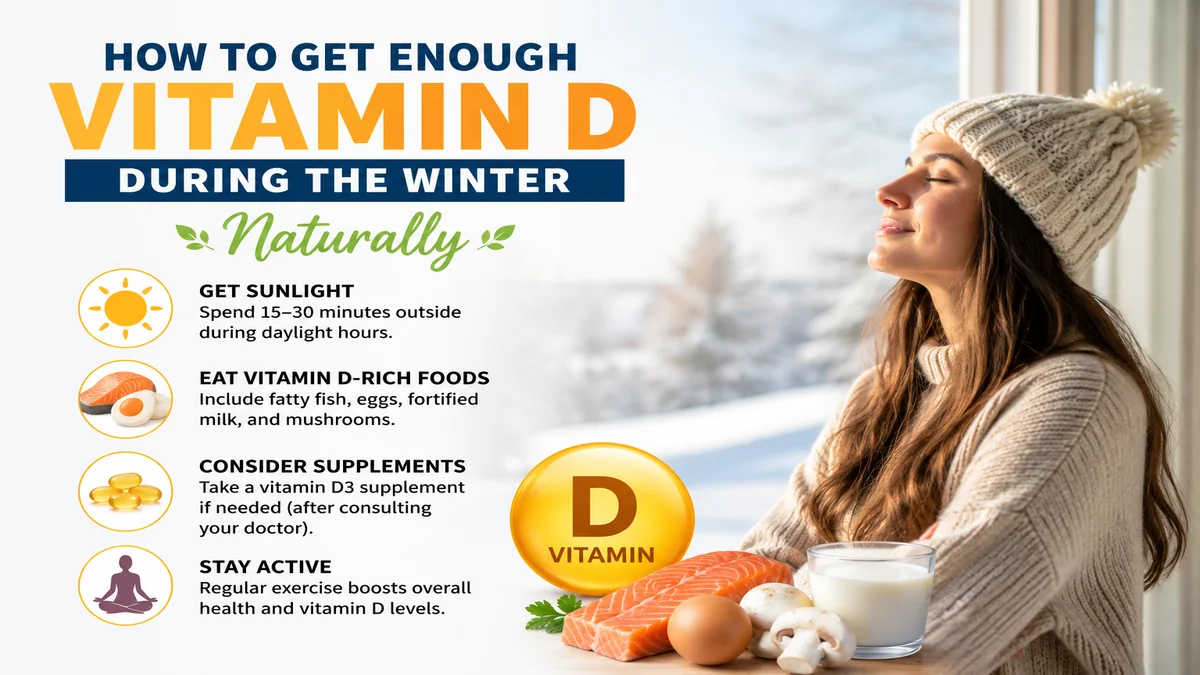
Vitamin D is often called the “sunshine vitamin” because your body produces it when your skin is exposed to sunlight. During the winter months, however, shorter days, colder temperatures, and reduced sunlight make it more difficult to maintain healthy vitamin D levels.
A lack of vitamin D can affect your bone health, immune system, muscle strength, and overall well-being. Fortunately, there are several effective ways to ensure you get enough vitamin D even when the sun isn’t shining as much.
In this guide, we’ll explore why vitamin D is important, the risks of deficiency, and practical ways to maintain healthy levels throughout the winter.
Why Vitamin D Is Important
Vitamin D is a fat-soluble vitamin that plays several essential roles in the body.
It helps:
- Build and maintain strong bones and teeth
- Improve calcium and phosphorus absorption
- Support immune function
- Maintain healthy muscles
- Promote proper nerve function
- Support mood and overall mental health
Without enough vitamin D, the body cannot absorb calcium efficiently, increasing the risk of bone disorders.
Why Vitamin D Levels Drop During Winter
Many people experience lower vitamin D levels during winter for several reasons:
Less Sunlight
The sun sits lower in the sky during winter, producing fewer UVB rays needed for vitamin D production.
Shorter Days
There are fewer daylight hours, reducing opportunities for sun exposure.
Cold Weather
People spend more time indoors and wear heavy clothing that covers most of their skin.
Cloud Cover
Winter often brings cloudy skies, which further reduce UVB exposure.
Higher Latitudes
People living farther from the equator receive significantly less UVB radiation during winter.
Signs of Vitamin D Deficiency
Vitamin D deficiency often develops slowly and may not cause symptoms initially.
Common signs include:
- Fatigue
- Bone pain
- Muscle weakness
- Frequent illness
- Mood changes
- Depression
- Slow wound healing
- Hair loss
- Back pain
Severe deficiency may increase the risk of osteoporosis, fractures, and muscle weakness.
1. Get Sunlight Whenever Possible
Even during winter, sunlight remains the best natural source of vitamin D.
Try to:
- Spend 15–30 minutes outdoors on sunny days
- Expose your face, hands, and arms if temperatures allow
- Go outside around midday when sunlight is strongest
- Take a short walk during lunch breaks
The amount of vitamin D your body produces depends on:
- Skin tone
- Age
- Geographic location
- Time of day
- Weather conditions
Keep in mind that in many regions, winter sunlight may not provide enough UVB rays for adequate vitamin D production.
2. Eat Vitamin D-Rich Foods
Diet becomes especially important during winter.
Fatty Fish
Fatty fish are among the richest natural sources of vitamin D.
Examples include:
- Salmon
- Sardines
- Mackerel
- Tuna
- Herring
Aim to eat fatty fish at least twice per week.
Egg Yolks
Egg yolks naturally contain vitamin D along with healthy fats and protein.
Adding eggs to breakfast is an easy way to boost vitamin D intake.
Mushrooms
Some mushrooms produce vitamin D when exposed to ultraviolet light.
Look for:
- UV-exposed mushrooms
- Portobello mushrooms
- Maitake mushrooms
These are one of the few plant-based sources of vitamin D.
Cod Liver Oil
Cod liver oil is rich in:
- Vitamin D
- Vitamin A
- Omega-3 fatty acids
Because it contains high amounts of vitamin A, avoid taking excessive amounts.
Cheese
Certain cheeses provide small amounts of vitamin D.
Although not a major source, they contribute to overall intake.
3. Choose Fortified Foods
Many everyday foods are fortified with vitamin D.
These include:
- Cow’s milk
- Plant-based milk
- Yogurt
- Breakfast cereals
- Orange juice
- Margarine
Always check nutrition labels to see how much vitamin D each serving provides.
4. Consider Vitamin D Supplements
Supplements are one of the most reliable ways to maintain healthy vitamin D levels during winter.
Healthcare providers may recommend supplements for people who:
- Spend little time outdoors
- Live in northern climates
- Have darker skin
- Are older adults
- Are pregnant or breastfeeding
- Have digestive disorders affecting nutrient absorption
Vitamin D3 (cholecalciferol) is generally considered more effective than vitamin D2 at raising blood vitamin D levels.
Always consult your healthcare provider before starting supplements, especially if you have kidney disease, high calcium levels, or other medical conditions.
5. Maintain a Healthy Weight
Research suggests that obesity is associated with lower vitamin D levels because vitamin D can become stored in body fat, making it less available for the body to use.
Maintaining a healthy weight through balanced nutrition and regular exercise may help support healthy vitamin D status.
6. Stay Physically Active
Exercise doesn’t directly increase vitamin D levels, but it supports overall bone and muscle health.
Good winter activities include:
- Walking
- Indoor cycling
- Strength training
- Yoga
- Resistance exercises
Combining outdoor exercise with sunlight exposure offers additional benefits whenever weather permits.
7. Include Healthy Fats in Your Diet
Vitamin D is fat-soluble, meaning it is better absorbed when consumed with dietary fat.
Healthy fat sources include:
- Avocados
- Olive oil
- Nuts
- Seeds
- Fatty fish
Taking vitamin D supplements with a meal containing healthy fats may improve absorption.
8. Know If You’re at Higher Risk
Certain people are more likely to develop vitamin D deficiency during winter.
Higher-risk groups include:
- Adults over 65
- People with darker skin
- Individuals who rarely go outside
- People who always wear sun-protective clothing
- Nursing home residents
- People with obesity
- Individuals with inflammatory bowel disease or celiac disease
- Those who have undergone weight-loss surgery
These individuals may benefit from discussing vitamin D testing with their healthcare provider.
Can You Get Too Much Vitamin D?
Yes. While vitamin D deficiency is common, excessive supplementation can lead to vitamin D toxicity.
Too much vitamin D may cause:
- Nausea
- Vomiting
- Weakness
- Frequent urination
- Kidney stones
- High blood calcium levels
Avoid taking high-dose supplements unless advised by a healthcare professional.
How Much Vitamin D Do You Need?
Daily vitamin D needs vary depending on age and health status.
| Age Group | Recommended Daily Intake |
|---|---|
| Infants (0–12 months) | 400 IU (10 mcg) |
| Children (1–18 years) | 600 IU (15 mcg) |
| Adults (19–70 years) | 600 IU (15 mcg) |
| Adults over 70 | 800 IU (20 mcg) |
| Pregnant and breastfeeding adults | 600 IU (15 mcg) |
Some individuals with deficiency may require higher doses under medical supervision.
Tips for Maintaining Healthy Vitamin D Levels All Winter
Follow these simple habits:
- Spend time outdoors whenever the sun is shining.
- Include vitamin D-rich foods in your weekly meal plan.
- Choose fortified dairy or plant-based products.
- Exercise regularly.
- Eat healthy fats with vitamin D-rich meals.
- Consider supplements if recommended by your healthcare provider.
- Ask your doctor about a vitamin D blood test if you’re at higher risk of deficiency.
Frequently Asked Questions
Is winter sunlight enough for vitamin D?
In some regions, yes—but in many places, especially at higher latitudes, winter sunlight may not provide enough UVB rays for your body to produce sufficient vitamin D.
Which foods contain the most vitamin D?
Fatty fish such as salmon, mackerel, sardines, and tuna are among the richest natural sources. Fortified milk, cereals, and UV-exposed mushrooms also help increase intake.
Should everyone take vitamin D supplements in winter?
Not necessarily. Some people can meet their needs through sunlight and diet, while others—such as older adults, people with limited sun exposure, or those at higher risk of deficiency—may benefit from supplements. Consult your healthcare provider before starting one.
Can vitamin D improve immunity?
Vitamin D supports normal immune function, but it is not a cure or guaranteed preventive measure against infections. Maintaining adequate levels is one part of a healthy lifestyle.
Conclusion
Getting enough vitamin D during the winter can be challenging, but it’s achievable with a combination of safe sun exposure, a diet rich in vitamin D, fortified foods, regular physical activity, and supplements when appropriate. Maintaining healthy vitamin D levels supports strong bones, healthy muscles, and a well-functioning immune system throughout the colder months.
If you’re concerned about your vitamin D status—especially if you have risk factors for deficiency—talk with your healthcare provider about whether testing or supplementation is right for you.