
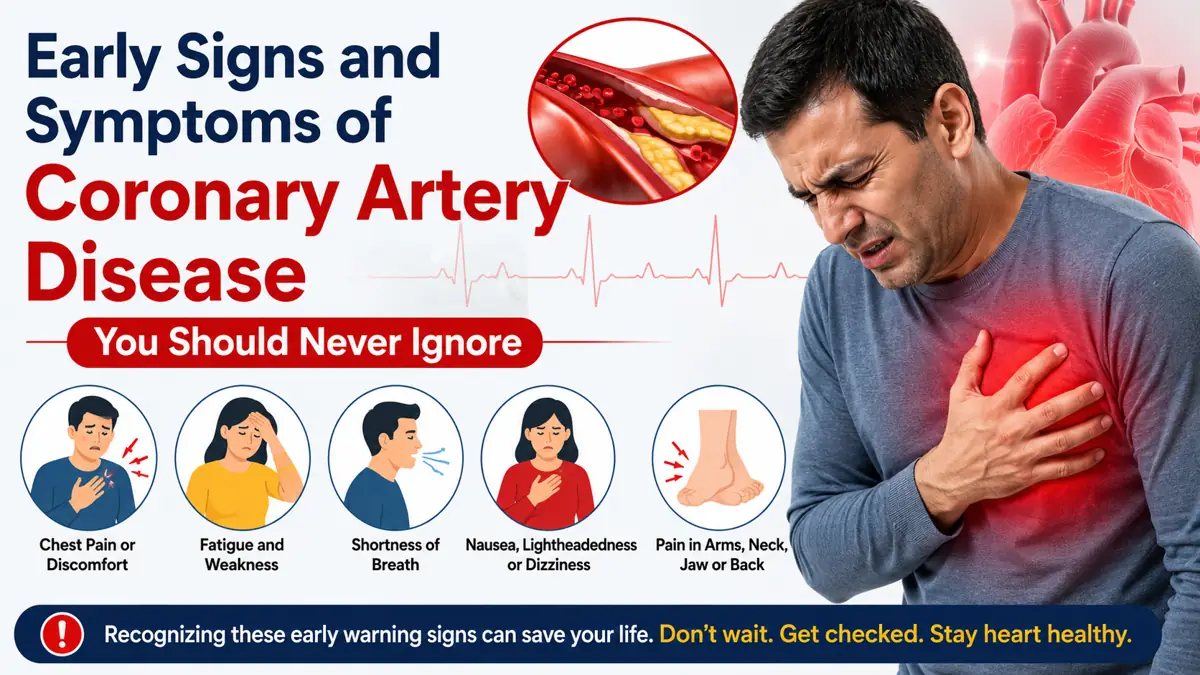
Signs and Symptoms of Coronary Artery Disease: Early Warning Signs You Should Never Ignore
SEO Title: Signs and Symptoms of Coronary Artery Disease: Early Warning Signs
Meta Description (155 characters): Learn the common and early signs and symptoms of coronary artery disease, causes, diagnosis, treatment, and prevention to protect your heart health.
Signs and Symptoms of Coronary Artery Disease
Coronary artery disease (CAD) is one of the leading causes of heart attacks and cardiovascular deaths worldwide. It develops when the arteries that supply oxygen-rich blood to the heart become narrowed or blocked due to the buildup of fatty deposits called plaque. While some people experience noticeable symptoms, others may have no warning signs until a heart attack occurs.
Recognizing the signs and symptoms of coronary artery disease early can help you seek medical care before serious complications develop. In this guide, you’ll learn about the symptoms, risk factors, diagnosis, treatment options, and practical ways to reduce your risk.
What Is Coronary Artery Disease?
Coronary artery disease occurs when cholesterol, fat, calcium, and other substances accumulate inside the coronary arteries, forming plaque. Over time, this buildup reduces blood flow to the heart muscle.
When the heart doesn’t receive enough oxygen, it can cause chest pain (angina), shortness of breath, or even a heart attack if an artery becomes completely blocked.
Early Signs and Symptoms of Coronary Artery Disease
Symptoms vary from person to person. Some people have mild discomfort, while others experience severe symptoms.
1. Chest Pain (Angina)
Chest pain is the most common symptom of CAD.
People often describe it as:
- Pressure in the chest
- Tightness
- Burning sensation
- Squeezing
- Heaviness
- Fullness
The pain usually:
- Occurs during physical activity or emotional stress
- Improves with rest
- Lasts a few minutes
Sometimes the discomfort spreads to other parts of the body.
2. Pain That Radiates to Other Areas
Coronary artery disease pain may travel to:
- Left arm
- Both arms
- Neck
- Jaw
- Shoulder
- Upper back
- Upper abdomen
Some people mistake this discomfort for indigestion or muscle pain.
3. Shortness of Breath
When the heart cannot pump enough blood efficiently, you may experience:
- Difficulty breathing during activity
- Breathlessness while climbing stairs
- Feeling winded after minimal exercise
- Shortness of breath while lying flat (in advanced cases)
4. Fatigue
Unusual tiredness is a common but overlooked symptom.
You may notice:
- Low energy throughout the day
- Feeling exhausted after routine activities
- Difficulty completing normal tasks
Women often report fatigue more frequently than men.
5. Heart Palpitations
Some people experience:
- Racing heartbeat
- Fluttering sensation
- Irregular heartbeat
- Skipped beats
Although palpitations have many causes, they should be evaluated when accompanied by other CAD symptoms.
6. Dizziness or Lightheadedness
Reduced blood flow can decrease oxygen delivery to the brain, causing:
- Dizziness
- Feeling faint
- Loss of balance
- Near-fainting episodes
7. Cold Sweats
Unexpected sweating—especially with chest discomfort—may signal reduced blood flow to the heart.
Seek emergency care if cold sweats occur alongside chest pain or shortness of breath.
8. Nausea or Indigestion
Heart-related pain doesn’t always feel like chest pain.
Some individuals experience:
- Nausea
- Upset stomach
- Heartburn-like discomfort
- Vomiting
These symptoms are particularly common during a heart attack.
9. Reduced Exercise Tolerance
If you suddenly cannot:
- Walk as far as before
- Climb stairs comfortably
- Exercise without fatigue
It may indicate worsening blood flow to the heart.
Silent Coronary Artery Disease
Not everyone develops symptoms.
Some people have silent ischemia, where reduced blood flow causes no noticeable warning signs. This is more common among:
- Older adults
- People with diabetes
- Individuals with high blood pressure
In these cases, CAD may only be discovered during routine testing or after a heart attack.
Symptoms of a Heart Attack
A heart attack is a medical emergency.
Call emergency medical services immediately if you experience:
- Chest pain lasting longer than a few minutes
- Severe pressure in the chest
- Pain spreading to the arm, jaw, neck, or back
- Shortness of breath
- Cold sweats
- Nausea or vomiting
- Sudden weakness
- Fainting
Do not attempt to drive yourself if symptoms are severe.
Symptoms in Women
Women often experience less typical symptoms than men.
These may include:
- Extreme fatigue
- Shortness of breath
- Jaw pain
- Back pain
- Neck discomfort
- Nausea
- Indigestion
- Sleep disturbances
- Mild chest discomfort instead of severe pain
Because symptoms may be subtle, women sometimes delay seeking medical attention.
Causes of Coronary Artery Disease
CAD develops gradually due to plaque buildup inside the arteries.
Common contributing factors include:
- High LDL cholesterol
- High blood pressure
- Smoking
- Diabetes
- Obesity
- Physical inactivity
- Unhealthy diet
- Chronic stress
- Aging
- Family history of heart disease
Risk Factors
You are more likely to develop CAD if you have:
- High cholesterol
- Hypertension
- Diabetes
- Smoking habit
- Excess body weight
- Sedentary lifestyle
- Chronic kidney disease
- Sleep apnea
- Family history of early heart disease
- Age over 45 (men) or 55 (women)
How Coronary Artery Disease Is Diagnosed
Your healthcare provider may recommend:
Physical Examination
The doctor checks:
- Blood pressure
- Heart sounds
- Medical history
- Risk factors
Blood Tests
Blood tests evaluate:
- Cholesterol
- Blood sugar
- Kidney function
- Cardiac biomarkers (if a heart attack is suspected)
Electrocardiogram (ECG)
Measures the electrical activity of the heart and may detect:
- Previous heart attack
- Abnormal heart rhythms
- Reduced blood flow
Stress Test
Assesses how the heart performs during exercise or with medication that simulates exercise.
Echocardiogram
Uses ultrasound to evaluate:
- Heart function
- Heart valves
- Pumping ability
Coronary CT Angiography
Provides detailed images of coronary arteries and plaque buildup.
Coronary Angiography
Often considered the gold standard for identifying blocked coronary arteries.
Treatment Options
Treatment depends on symptom severity and the extent of artery blockage.
Lifestyle Changes
Doctors commonly recommend:
- Heart-healthy diet
- Regular physical activity
- Weight management
- Smoking cessation
- Limiting alcohol
- Stress reduction
- Better sleep habits
Medications
Treatment may include medications to:
- Lower cholesterol (statins)
- Control blood pressure
- Prevent blood clots (antiplatelet drugs)
- Relieve chest pain (nitrates)
- Reduce the heart’s workload (beta-blockers)
Always take medications only as prescribed by your healthcare provider.
Medical Procedures
Some patients may require:
- Angioplasty with stent placement
- Coronary artery bypass grafting (CABG)
These procedures help restore blood flow when arteries are significantly narrowed or blocked.
How to Prevent Coronary Artery Disease
Many cases can be prevented or delayed through healthy habits.
Eat a Heart-Healthy Diet
Focus on:
- Fruits
- Vegetables
- Whole grains
- Beans
- Nuts
- Fish
- Olive oil
Limit:
- Processed foods
- Sugary drinks
- Excess salt
- Saturated fat
- Trans fat
Exercise Regularly
Aim for at least 150 minutes of moderate-intensity exercise per week, unless your healthcare provider advises otherwise.
Stop Smoking
Smoking damages blood vessels and greatly increases the risk of CAD.
Manage Blood Pressure
Regular monitoring and treatment can help reduce long-term heart damage.
Control Cholesterol
Healthy eating, exercise, and medications (when needed) help lower LDL cholesterol.
Maintain a Healthy Weight
Even modest weight loss can improve heart health.
Manage Diabetes
Keeping blood sugar within target ranges reduces the risk of artery damage.
Reduce Stress
Helpful techniques include:
- Meditation
- Yoga
- Deep breathing
- Regular physical activity
- Spending time with family and friends
When to See a Doctor
Schedule a medical evaluation if you have:
- Recurrent chest discomfort
- Breathlessness during routine activities
- Persistent fatigue
- Heart palpitations
- Multiple heart disease risk factors
- A strong family history of coronary artery disease
Early diagnosis can prevent serious complications.
Frequently Asked Questions (FAQs)
Can coronary artery disease develop without symptoms?
Yes. Some people have silent coronary artery disease and experience no symptoms until a heart attack or abnormal test reveals the condition.
Is chest pain always caused by coronary artery disease?
No. Chest pain can result from digestive, lung, muscle, or anxiety-related conditions. However, new, severe, or persistent chest pain should always be evaluated promptly.
Can coronary artery disease be reversed?
While plaque buildup usually cannot be completely eliminated, healthy lifestyle changes, medications, and appropriate treatment can slow progression, improve symptoms, and reduce the risk of heart attack.
What is the first sign of coronary artery disease?
For many people, the first noticeable symptom is chest discomfort (angina), though others may initially experience shortness of breath, fatigue, or reduced exercise tolerance.
Is coronary artery disease hereditary?
A family history of early heart disease increases your risk, but healthy lifestyle choices and regular medical care can significantly reduce that risk.
Key Takeaways
Coronary artery disease often develops silently over many years, making early recognition especially important. Symptoms such as chest pain, shortness of breath, fatigue, and pain spreading to the jaw or arm should never be ignored. Managing blood pressure, cholesterol, diabetes, and other risk factors—along with maintaining a healthy lifestyle—can greatly reduce the likelihood of serious complications. If you experience symptoms suggestive of a heart attack, seek emergency medical care immediately.