


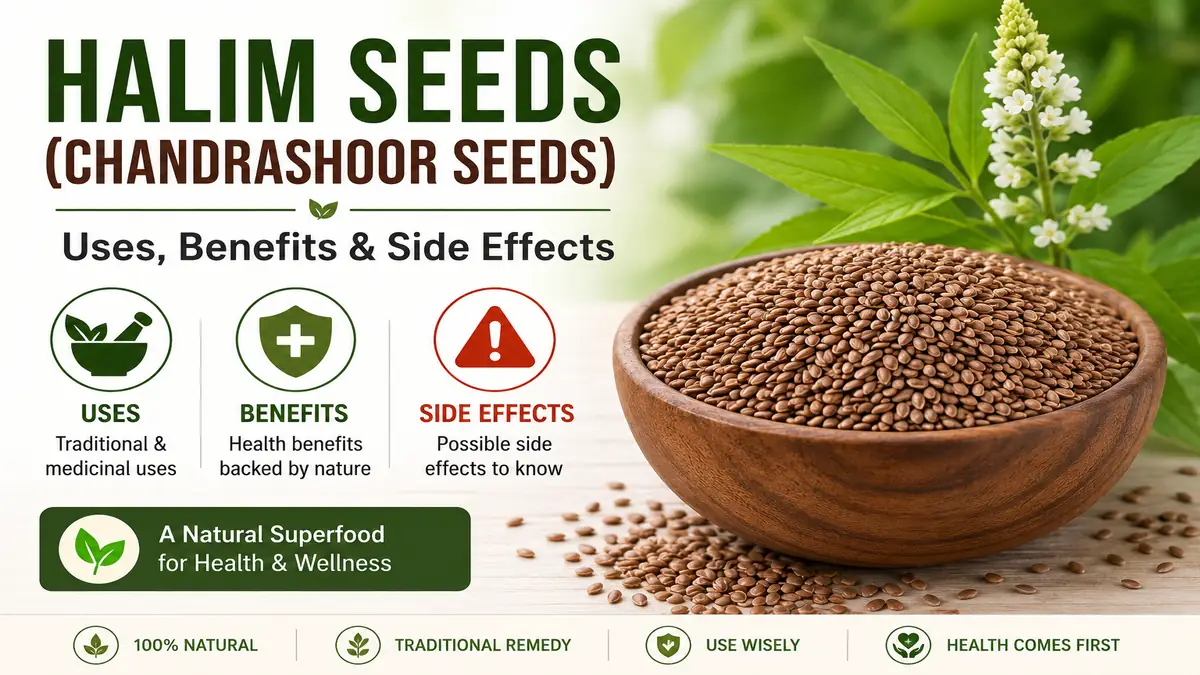
Halim seeds, also known as Chandrashoor seeds, Garden Cress seeds, or Aliv seeds, are tiny reddish-brown seeds packed with nutrients. Despite their small size, these seeds have been used in traditional Ayurvedic and Unani medicine for centuries to support overall health.
Today, Halim seeds are gaining popularity as a natural superfood because they are rich in protein, iron, calcium, fiber, vitamins, and antioxidants. They are commonly used to improve digestion, strengthen bones, support women’s health, and promote healthy skin and hair.
In this guide, you’ll learn everything about Halim seeds, including their nutritional value, health benefits, uses, possible side effects, and the safest way to consume them.
What Are Halim Seeds?
Halim seeds come from the Garden Cress plant (Lepidium sativum), a fast-growing edible herb belonging to the mustard family.
These seeds are known by different names across India:
- Halim Seeds
- Chandrashoor Seeds
- Garden Cress Seeds
- Aliv Seeds (Marathi)
- Asaliya Seeds
- Chandrika Seeds (in some regions)
They have a slightly peppery flavor and become soft and gelatinous when soaked in water.
Nutritional Value of Halim Seeds
Halim seeds are considered nutrient-dense because they contain a variety of essential nutrients.
They are rich in:
- Protein
- Dietary fiber
- Iron
- Calcium
- Phosphorus
- Magnesium
- Potassium
- Folate
- Vitamin C
- Vitamin A
- Vitamin E
- Healthy plant compounds
- Antioxidants
Their high nutrient content makes them a valuable addition to a balanced diet.
Health Benefits of Halim Seeds
1. Rich Source of Iron
One of the biggest reasons Halim seeds are popular is their naturally high iron content.
Iron helps:
- Produce healthy red blood cells
- Prevent iron deficiency
- Reduce tiredness and fatigue
- Improve oxygen transport throughout the body
People with low iron levels may benefit from including Halim seeds as part of an iron-rich diet.
2. May Improve Digestion
Halim seeds contain plenty of dietary fiber.
Fiber helps:
- Promote regular bowel movements
- Reduce constipation
- Support healthy gut bacteria
- Improve digestive health
Soaking the seeds before eating also makes them easier to digest.
3. Supports Bone Health
These seeds contain calcium, magnesium, and phosphorus—three minerals essential for strong bones.
Regular consumption alongside a balanced diet may help maintain bone density and reduce the risk of weak bones as you age.
4. May Help with Weight Management
The fiber and protein in Halim seeds help you feel full for longer.
This may:
- Reduce unnecessary snacking
- Control appetite
- Support healthy weight management
However, they should be combined with regular exercise and a healthy diet for the best results.
5. Supports Women’s Health
Traditionally, Halim seeds have been used to support women’s health.
They are often consumed:
- During the postpartum period
- To replenish iron stores after childbirth
- To support overall nutritional health
Some traditional practices also use them to encourage breast milk production, but more scientific research is needed to confirm this benefit.
6. Good for Hair Health
Iron deficiency is a common cause of hair thinning.
Since Halim seeds are rich in iron, protein, and antioxidants, they may help support healthy hair growth when consumed as part of a nutritious diet.
7. May Promote Healthy Skin
Antioxidants help protect skin cells from oxidative stress.
The vitamins and minerals found in Halim seeds may support:
- Healthy skin
- Better collagen production
- Skin repair
- Overall skin nourishment
8. May Help Support Blood Sugar Control
The fiber in Halim seeds may help slow carbohydrate digestion, which can contribute to steadier blood sugar levels after meals.
However, people with diabetes should continue taking prescribed medications and consult their healthcare provider before making dietary changes.
9. May Improve Heart Health
Halim seeds contain fiber and beneficial plant compounds that may support heart health by:
- Helping maintain healthy cholesterol levels
- Supporting healthy blood vessels
- Reducing oxidative stress
They should be viewed as one part of an overall heart-healthy lifestyle.
10. Rich in Plant-Based Protein
Vegetarians and vegans can use Halim seeds as an additional source of plant protein.
Protein supports:
- Muscle repair
- Tissue growth
- Immune function
- Overall body maintenance
Common Uses of Halim Seeds
Halim seeds are versatile and easy to include in everyday meals.
Popular uses include:
- Mixed into milk
- Added to smoothies
- Sprinkled over yogurt
- Mixed into porridge
- Used in laddoos
- Added to soups
- Mixed with salads
- Included in energy bars
- Added to desserts
How to Eat Halim Seeds
The most common method is soaking.
Method
- Take 1–2 teaspoons of Halim seeds.
- Soak them in water for 30–60 minutes.
- Once they swell, consume them directly or mix them into your favorite foods.
You can also mix soaked Halim seeds with:
- Warm milk
- Honey
- Lemon water
- Fruit smoothies
- Oatmeal
Recommended Daily Intake
There is no universally established daily intake for Halim seeds.
For most healthy adults:
- 1–2 teaspoons per day is generally considered a moderate amount when included as part of a balanced diet.
Avoid consuming excessive quantities without professional guidance.
Side Effects of Halim Seeds
Although Halim seeds are generally safe when eaten in moderation, excessive intake may cause unwanted effects.
Possible side effects include:
Digestive Discomfort
Eating too many seeds may cause:
- Gas
- Bloating
- Stomach discomfort
- Diarrhea
Increasing your fiber intake gradually and drinking enough water may help reduce these symptoms.
Low Blood Sugar
Because Halim seeds may contribute to blood sugar control, people taking diabetes medications should monitor their blood sugar and seek medical advice before consuming them regularly.
Allergic Reactions
Although uncommon, some people may experience:
- Skin rash
- Itching
- Swelling
- Difficulty breathing
Seek immediate medical attention if severe allergic symptoms occur.
Pregnancy Considerations
Some traditional sources suggest limiting medicinal or large amounts of Halim seeds during pregnancy because they may influence uterine activity. There is limited high-quality research on this topic, so pregnant women should consult their healthcare provider before using them regularly.
Who Should Avoid Halim Seeds?
Consult a healthcare professional before consuming Halim seeds if you:
- Are pregnant
- Have severe digestive disorders
- Take diabetes medications
- Have known seed allergies
- Have chronic medical conditions requiring dietary restrictions
Frequently Asked Questions (FAQs)
Are Halim seeds and Garden Cress seeds the same?
Yes. Halim seeds, Chandrashoor seeds, Aliv seeds, and Garden Cress seeds all come from the same plant (Lepidium sativum).
Can Halim seeds help increase hemoglobin?
Because they are naturally rich in iron, Halim seeds may help support healthy hemoglobin levels when combined with an iron-rich diet. They should not replace medical treatment for anemia.
Can I eat Halim seeds every day?
Most healthy adults can enjoy Halim seeds daily in moderate amounts, typically 1–2 teaspoons. If you have an underlying health condition, consult your healthcare provider first.
Should Halim seeds be soaked before eating?
Yes. Soaking softens the seeds, improves texture, and makes them easier to digest.
Are Halim seeds good for weight loss?
Their fiber and protein content may help you feel full for longer, which can support weight management when combined with a healthy diet and regular physical activity.
Final Thoughts
Halim seeds, also known as Chandrashoor or Garden Cress seeds, are a nutrient-rich food that offers an excellent source of iron, calcium, protein, fiber, and antioxidants. They may support digestion, bone health, heart health, weight management, and overall wellness when eaten in moderation.
While these seeds are generally safe for most people, consuming excessive amounts may cause digestive discomfort, and certain groups—such as pregnant women or people taking diabetes medications—should seek medical advice before regular use.
Adding soaked Halim seeds to smoothies, milk, yogurt, or salads is an easy and nutritious way to enjoy their many potential health benefits as part of a balanced diet.
Disclaimer: The information provided in this article is intended for general educational and informational purposes only. It is not a substitute for professional medical advice, diagnosis, or treatment. Always consult a qualified healthcare professional before adding Halim seeds to your diet, particularly if you are pregnant, breastfeeding, taking prescription medications, or have any underlying health conditions.