
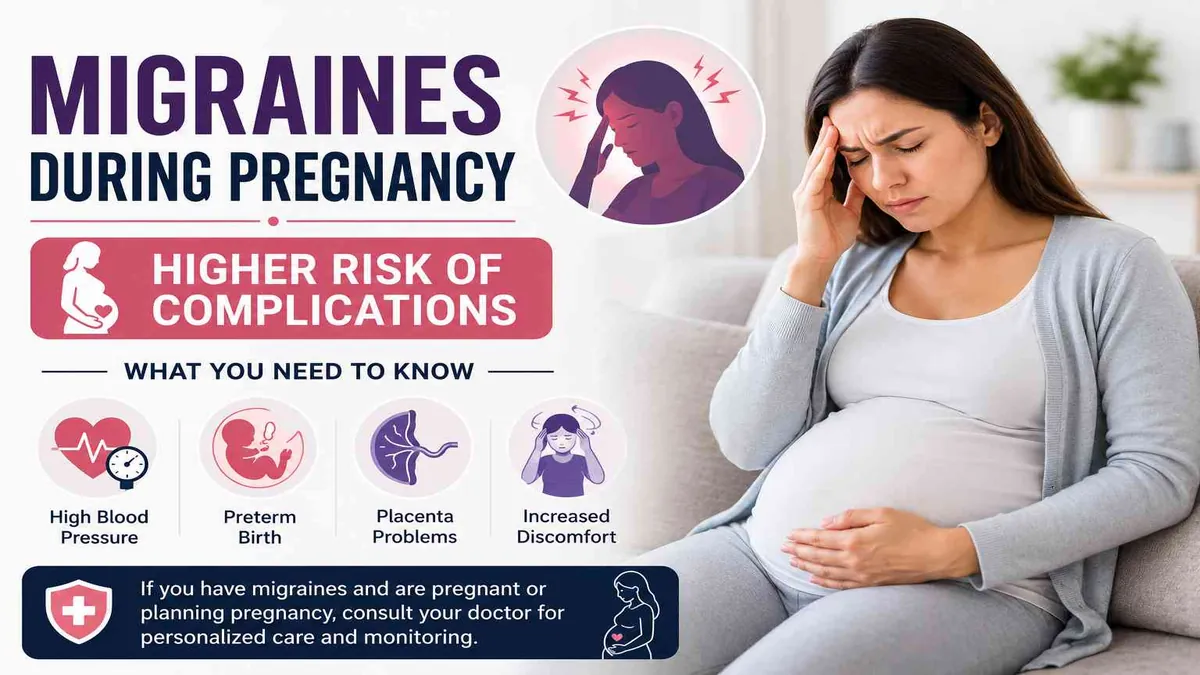
Migraines are more than just severe headaches—they are a neurological condition that affects millions of women, especially during their reproductive years. Emerging research suggests that women with migraines may be more likely to experience pregnancy complications compared to those without the condition.
While having migraines does not mean you will automatically develop pregnancy problems, understanding the potential risks can help you and your healthcare provider monitor your pregnancy more closely and take steps to improve outcomes.
In this article, we’ll explain what the latest research says, which pregnancy complications are linked to migraines, why the connection may exist, and how to manage migraines safely during pregnancy.
What Are Migraines?
A migraine is a recurring neurological disorder that causes moderate to severe headaches, often accompanied by:
- Throbbing or pulsating pain
- Nausea and vomiting
- Sensitivity to light, sound, or smells
- Blurred vision
- Dizziness
- Temporary visual disturbances (known as aura)
Migraines affect women about three times more often than men due to hormonal fluctuations involving estrogen.
Can Migraines Increase the Risk of Pregnancy Complications?
Recent studies indicate that women with a history of migraines may face a higher risk of several pregnancy-related complications.
Researchers have found associations between migraines and conditions such as:
- High blood pressure during pregnancy
- Preeclampsia
- Gestational hypertension
- Preterm birth
- Low birth weight
- Placental complications
- Increased likelihood of cesarean delivery
It’s important to understand that these studies show an association, not proof that migraines directly cause these complications.
Many women with migraines go on to have completely healthy pregnancies.
Pregnancy Complications Linked to Migraines
1. Preeclampsia
One of the strongest links identified is between migraines and preeclampsia, a serious pregnancy condition characterized by:
- High blood pressure
- Protein in the urine
- Swelling
- Headaches
- Vision changes
Untreated preeclampsia can threaten both maternal and fetal health.
Women with migraines—particularly migraine with aura—appear to have a greater chance of developing this condition.
2. Gestational Hypertension
Gestational hypertension refers to elevated blood pressure that develops after 20 weeks of pregnancy.
Since migraines are associated with changes in blood vessel function, researchers believe they may share biological pathways with hypertension.
3. Preterm Birth
Some studies suggest women with migraines have a slightly increased chance of delivering before 37 weeks.
Preterm babies may experience:
- Breathing problems
- Feeding difficulties
- Low birth weight
- Increased need for neonatal intensive care
4. Placental Problems
Migraines may be associated with reduced blood flow to the placenta.
Possible complications include:
- Placental insufficiency
- Placental abruption (early separation of the placenta)
- Poor fetal growth
Although uncommon, these conditions require prompt medical care.
5. Low Birth Weight
Restricted blood flow and pregnancy complications can contribute to babies being born smaller than expected.
Low birth weight increases the risk of:
- Difficulty maintaining body temperature
- Feeding challenges
- Higher infection risk
- Developmental concerns
6. Cesarean Delivery
Some research has found a slightly higher rate of cesarean sections among women with migraines.
This may be related to complications such as hypertension or fetal distress rather than migraines themselves.
Why Might Migraines Be Linked to Pregnancy Complications?
Scientists are still studying the exact reasons.
Possible explanations include:
Blood Vessel Dysfunction
Migraines involve changes in blood vessel function and circulation.
Similar vascular changes are also seen in conditions like preeclampsia.
Chronic Inflammation
People with migraines may have elevated inflammatory markers that could influence pregnancy health.
Hormonal Changes
Estrogen fluctuations affect both migraines and pregnancy.
Hormonal shifts may contribute to increased susceptibility to certain complications.
Shared Risk Factors
Women with migraines may also have other health conditions that increase pregnancy risks, including:
- Obesity
- High blood pressure
- Diabetes
- Autoimmune disorders
- Smoking
These factors can contribute independently to pregnancy complications.
Does Migraine With Aura Increase Risk More?
Evidence suggests that migraine with aura may carry a greater risk than migraine without aura.
Aura symptoms may include:
- Flashing lights
- Blind spots
- Tingling sensations
- Speech difficulties
Migraine with aura has also been associated with a higher risk of stroke and cardiovascular disease, making careful monitoring during pregnancy especially important.
Do Migraines Improve During Pregnancy?
Many women notice their migraines improve during pregnancy.
Approximately 60–70% experience fewer attacks, especially during the second and third trimesters.
However:
- Some continue having migraines.
- Others experience worsening symptoms.
- Women with migraine with aura may continue to have attacks throughout pregnancy.
Every pregnancy is unique.
How to Manage Migraines Safely During Pregnancy
Treatment should always be discussed with your healthcare provider.
Helpful strategies include:
Stay Hydrated
Dehydration is a common migraine trigger.
Aim to drink enough water throughout the day.
Get Enough Sleep
Maintain a consistent sleep schedule whenever possible.
Eat Regular Meals
Skipping meals can trigger migraines.
Choose balanced meals rich in:
- Whole grains
- Fruits
- Vegetables
- Lean proteins
- Healthy fats
Reduce Stress
Consider relaxation techniques such as:
- Prenatal yoga
- Meditation
- Deep breathing
- Gentle stretching
Identify Triggers
Common migraine triggers include:
- Bright lights
- Strong odors
- Certain foods
- Stress
- Sleep deprivation
Keeping a headache diary may help identify patterns.
Discuss Medications With Your Doctor
Some migraine medications are considered safer during pregnancy than others, while certain drugs should be avoided because they may pose risks to the developing baby.
Never start, stop, or change migraine medications without consulting your obstetrician or neurologist.
When Should Pregnant Women Seek Immediate Medical Care?
Contact your healthcare provider immediately if you experience:
- A sudden, severe headache unlike previous migraines
- Vision changes
- Persistent vomiting
- High blood pressure
- Swelling of the face or hands
- Confusion
- Seizures
- Reduced fetal movement
- Severe abdominal pain
These symptoms could indicate preeclampsia or another medical emergency.
Can Pregnancy Complications Be Prevented?
Although migraines cannot always be prevented, reducing other risk factors may help support a healthier pregnancy.
Recommendations include:
- Attend all prenatal appointments
- Manage blood pressure
- Control blood sugar if diabetic
- Maintain a healthy weight
- Avoid smoking and alcohol
- Stay physically active as advised
- Take prenatal vitamins
- Follow your healthcare provider’s recommendations
Close prenatal monitoring allows complications to be detected and treated early.
Frequently Asked Questions
Does having migraines mean I’ll have pregnancy complications?
No. Most women with migraines have healthy pregnancies. However, research suggests the risk of certain complications may be slightly higher than average.
Are migraines dangerous for the baby?
Migraines themselves generally do not harm the baby. The concern is the increased likelihood of pregnancy complications in some women.
Should I stop migraine medication when I become pregnant?
Do not stop medications without speaking to your healthcare provider. Some treatments may be continued, while others may need to be changed.
Can migraines start during pregnancy?
Yes. Although many women improve during pregnancy, some experience migraines for the first time because of hormonal changes.
Is migraine with aura more concerning?
Current research suggests migraine with aura may be associated with a higher risk of pregnancy complications and cardiovascular conditions than migraine without aura.
Key Takeaways
Current evidence suggests that women with migraines may have a higher likelihood of certain pregnancy complications, including preeclampsia, gestational hypertension, preterm birth, and placental disorders. However, migraines do not guarantee that complications will occur.
Most women with migraines deliver healthy babies, especially with regular prenatal care, careful monitoring, and appropriate migraine management. If you have a history of migraines and are planning a pregnancy—or are already expecting—talk with your healthcare provider about your medical history and any symptoms you experience throughout pregnancy.